Search This Blog

Saturday, July 14, 2018

On Cauls


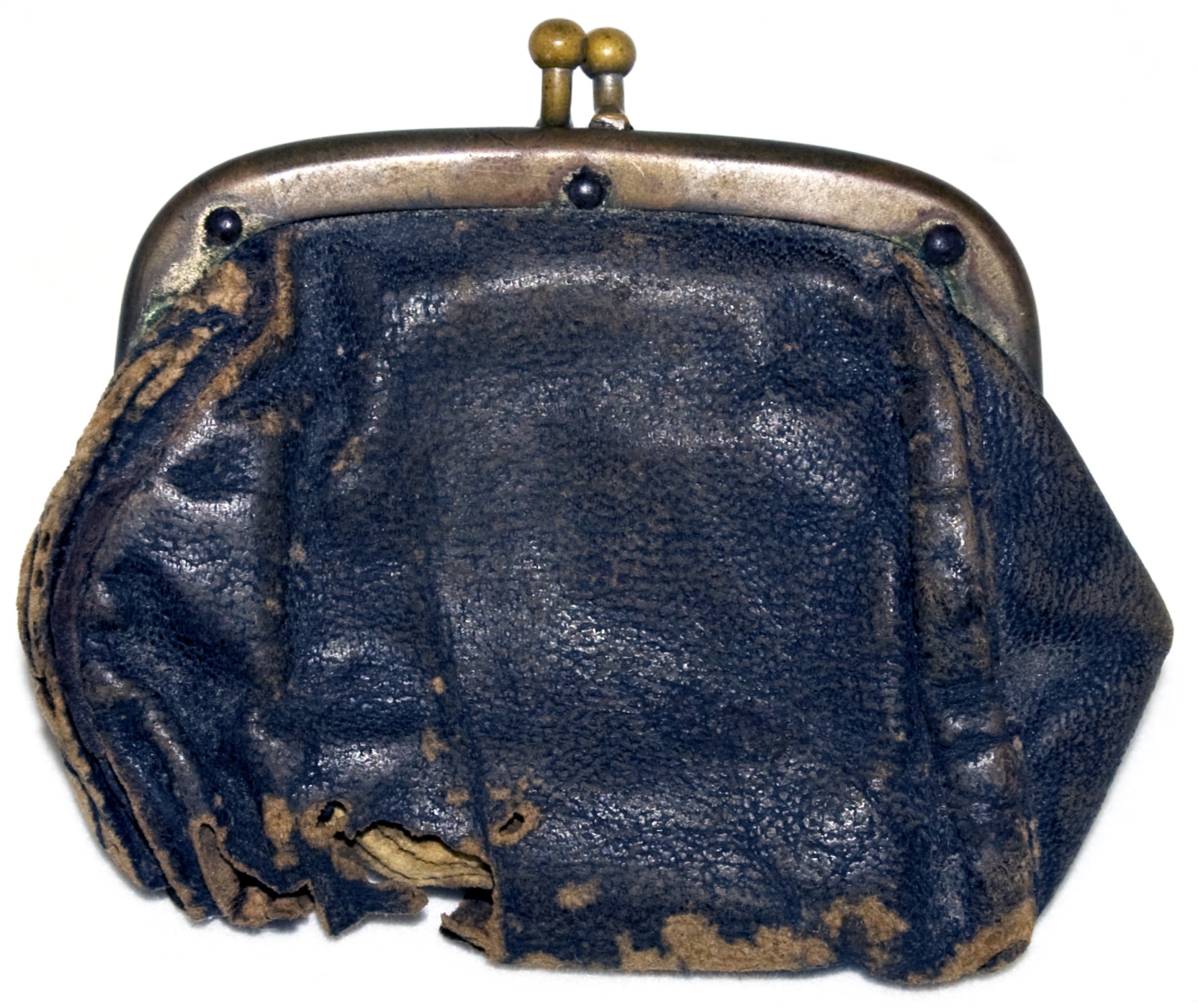
Cauls are parts of the amniotic membrane enclosing a fetus. Sometimes babies are born with this entire membrane still intact and sometimes with one part. When this happened in the past, it was often thought to be a sign, and the caul itself was regarded a treasure to hold closely for various reasons. See HERE for more on the apotropaic object held inside.

Thursday, July 5, 2018

Ted Talkery

Vanessa Ruiz discusses anatomical illustration in contemporary artwork:


And if you want to see some X-ray art, this is where to go: 


Tuesday, July 3, 2018

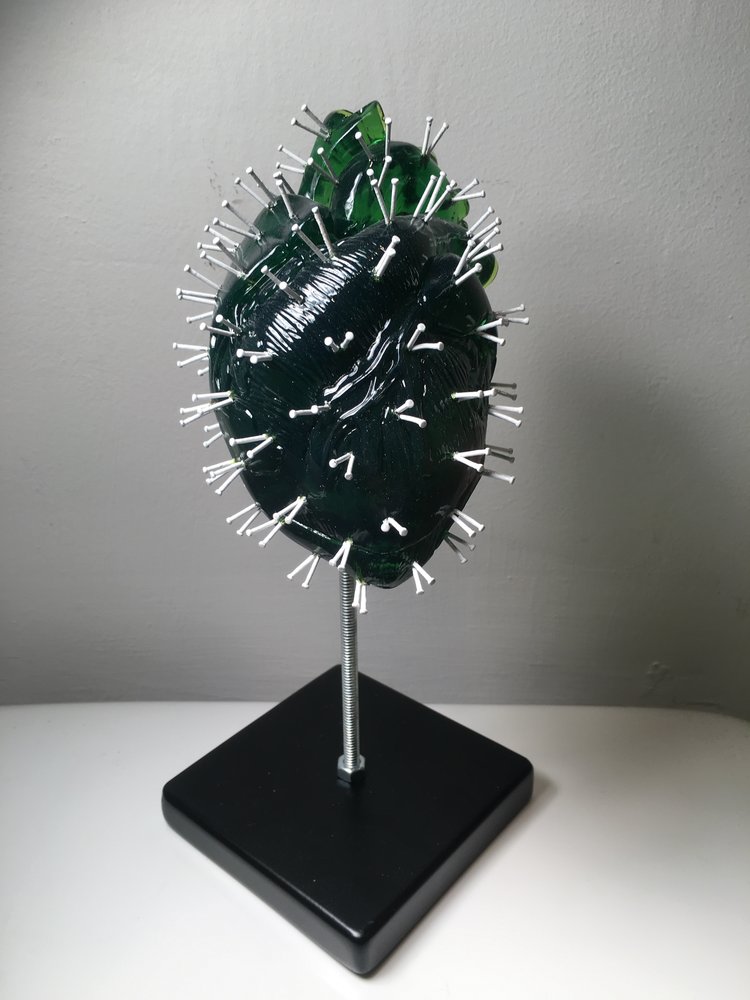
The Many Hearts of Jenna Morello

Here is a smattering of her cast resin hearts:


See here full shop HERE.

Chinese Cricket Cages

Crickets have long been fascinating pets in China and Japan. They are hunted, brought home, and put in tiny, ornate cages. Some were also made to fight. Some of these crickets are fairly large and can get quite loud.

Cages from the early 20th century can be from straw, wood, gourd, brass, ivory--you name it. You can get an idea of how precious and diverse they are on sites like THIS. 

Here's a modern market in Shanghai:


Tuesday, June 19, 2018

Cut and clipped bodies by Oejerum

See his work on his website: http://oejerum.dk/

Queering Eco-Psychology and Post-Anthropocene Dreams

The recent Society for Literature, Science, and the Arts in Copenhagen was a wild ride, replete with considerations of refiguring human-plant relationships and experimenting with algae, bacteria, and chlorophyll in art. Here are some images of conference-related happenings:


The Art of Sigrid Sara

See text via The Order of the Good Death. Here are some images to get you started on a fascinating journey:


The artist also has a crowdfunding campaign to create a series in New Orleans. $500 gets you a diseased hand, mouth, or eye! Donate more and you can get your own face immortalized in wax!


Monday, June 18, 2018

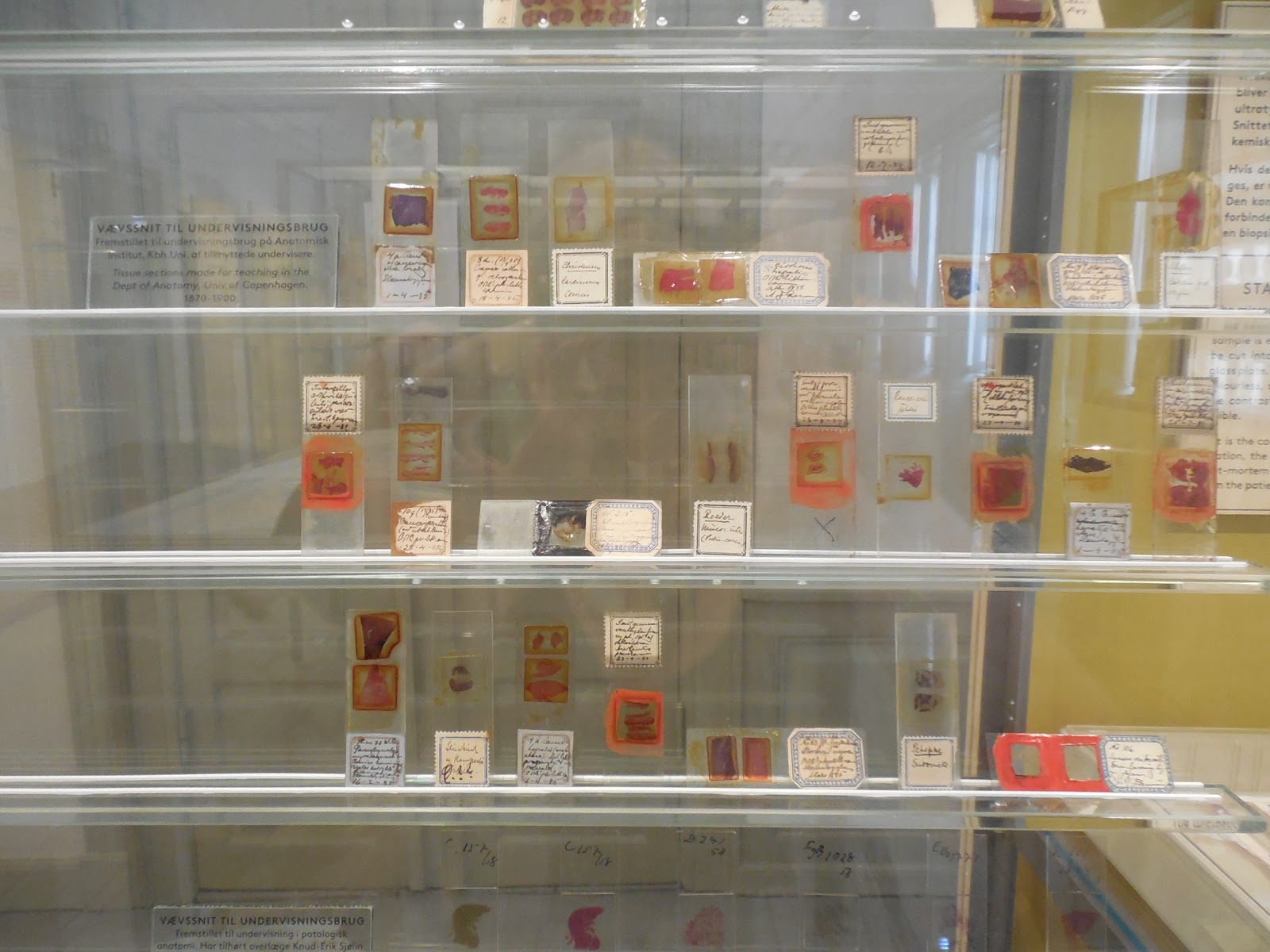
The Historical Body in Copenhagen

First the Medical Museion:

Reconstruction of the torso of Alexis St. Martin, who was observed for years by William Beaumont after a gunshot wound turned into a fistula with a direct view of the insides of the stomach.


Kidney stone 

Glass eyes

Former anatomical theater

Reconstructed apothecary

Preserved fetus in utero

Preserved head showing veins


Preserved foot showing tendons

Hand showing tendons

Forest of spines

Conjoined twins

Dissection table

Former anatomy theater

Spanish flies used as irritants

Cholera sample


Padded box for psychiatric patients

Prosthetic leg

Prosthetic arm

Surgical chair


And from the National Museum of Denmark:


For more On this miniature wax cadaver and much larger ivory skeleton See HERE.


Get Your Vampire Study On


Some scholarly sources on vampires in New England:


Bell (2004), Vampires and death in New England, 1784 to 1892 http://www.yorku.ca/kdenning/+++2150%202007-8/BellVampiresandDeath.pdf


Sledzik & Bellantoni (1994), Vioarcheological and biocultural evidence for the New England vampire folk beliefhttps://www.ncbi.nlm.nih.gov/pubmed/8085617

Thursday, February 22, 2018

Quote of the Day

"It was a cool December morning
when William C. Minor cut off his penis."

From http://mentalfloss.com/article/504609/murderer-who-helped-make-oxford-english-dictionary


Artist Doreen Garner


A fascinating, terrifying, beautiful work dealing with trauma, the physicality of the body, and the history of violence against black women in the history of gynecology and medicine.


Watch the video of her process and commentary:
https://art21.org/watch/new-york-close-up/doreen-garner-sculpts-our-trauma/


Tuesday, October 31, 2017

Quote of the Day: "I cannot see any good reason to think of the way, say, oral sex, triggers or fails to trigger disgust any differently than how we think of the cornbread."

Terrible Period Advice


See the article HERE


Who knew gallstones could be so beautiful?

Image from from Thomas Schnalke's "Das Ding an Sich: Zur Geschichte eines berliner Gallensteins."

The Chymist

"Originally, alchemy was a secretive activity, with its own complex and mystical imagery. By the 1740s it had become distinct from chemistry, and alchemists were popularly regarded as charlatans."